
Creative Leadership
Creative Leadership
Creative Leadership
Report 2025
Report 2025
Report 2025
Researched and
Designed
by Apeksha Gupta
Researched and
Designed
by Apeksha Gupta

Why
Creative leadership sits at the intersection of vision, people, and business yet there’s surprisingly little shared language or structured guidance around what the role really requires.
HOW
WHAT
Why
Creative leadership sits at the intersection of vision, people, and business yet there’s surprisingly little shared language or structured guidance around what the role really requires.
HOW
WHAT
Why
Creative leadership sits at the intersection of vision, people, and business yet there’s surprisingly little shared language or structured guidance around what the role really requires.
HOW
WHAT
WE SPOKE TO
WE SPOKE TO
VP / CCO / Executive Creative Director /Creative Agency Owner / Creative Partner /Head of Creative / Head of Content / Creative Director / Creative producer / Design Director Design Manager / Associate Creative Director / Senior Individual Contributor
VP / CCO / Executive Creative Director /Creative Agency Owner / Creative Partner /Head of Creative / Head of Content / Creative Director / Creative producer / Design Director Design Manager / Associate Creative Director / Senior Individual Contributor
VP / CCO / Executive Creative Director /Creative Agency Owner / Creative Partner /Head of Creative / Head of Content / Creative Director / Creative producer / Design Director Design Manager / Associate Creative Director / Senior Individual Contributor
FROM
FROM
Maersk, Havells, Swiggy, All things WTF, Target, R/GA Australia, SGK, Pandora, Ather Energy, TBWA, RazorPay, Thoughtspot, Landor, Amazon Prime Video, Adobe, Alo Media LLC, Dentsu, Leo Burnett / Publicis, Kult App, Eatclub, The Caravan, Bigbasket, Google Operations, Jio World Centre, DeHaat . . .
Maersk, Havells, Swiggy, All things WTF, Target, R/GA Australia, SGK, Pandora, Ather Energy, TBWA, RazorPay, Thoughtspot, Landor, Amazon Prime Video, Adobe, Alo Media LLC, Dentsu, Leo Burnett / Publicis, Kult App, Eatclub, The Caravan, Bigbasket, Google Operations, Jio World Centre, DeHaat . . .
Maersk, Havells, Swiggy, All things WTF, Target, R/GA Australia, SGK, Pandora, Ather Energy, TBWA, RazorPay, Thoughtspot, Landor, Amazon Prime Video, Adobe, Alo Media LLC, Dentsu, Leo Burnett / Publicis, Kult App, Eatclub, The Caravan, Bigbasket, Google Operations, Jio World Centre, DeHaat . . .










How to use this report?
How to use this report?
01
Understand what creative leaders truly need to succeed, and build the structures, support, and expectations that set them up for impact rather than burnout.
Understand what creative leaders truly need to succeed, and build the structures, support, and expectations that set them up for impact rather than burnout.
For Organizations
& Executives
For Organizations
& Executives
02
Understand what creative leaders truly need to succeed, and build the structures, support, and expectations that set them up for impact rather than burnout.
Understand what creative leaders truly need to succeed, and build the structures, support, and expectations that set them up for impact rather than burnout.
For Creative
Leaders
For Creative
Leaders
03
Understand what creative leaders truly need to succeed, and build the structures, support, and expectations that set them up for impact rather than burnout.
Understand what creative leaders truly need to succeed, and build the structures, support, and expectations that set them up for impact rather than burnout.
For Creative
Teams
For Creative
Teams
01 Leadership Philosophies That
Dominate Today
01 Leadership Philosophies That Dominate Today
After talking to creative leaders, one thing became clear: most leaders have an anchor - One core philosophy that guides their decisions, shapes their priorities, and defines how they show up when it matters most. As you read through them, ask yourself: which one feels most like you?
After talking to creative leaders, one thing became clear: most leaders have an anchor - One core philosophy that guides their decisions, shapes their priorities, and defines how they show up when it matters most. As you read through them, ask yourself: which one feels most like you?
Core Belief
Leaders create leaders.
Mentorship-focused
Identifies high-potential individuals
Creates leadership opportunities
Promotes ownership
How It Works In Practice
By identifying and accelerating
leadership potential.
This philosophy sees leadership as the act of developing people. It’s about noticing sparks of potential that often go unseen and create the space, support, and stretch for people to step into leadership.
It’s leadership rooted in mentorship, shared ownership, and continuous development.
Core Belief
How we work matters.
Alignment over opportunity
How we work = What we make
Takes pride in work and process
Values-driven decisions
How It Works In Practice
Great work requires staying true to
values, even under pressure.
This philosophy treats any compromise in process, principles, or alignment as a compromise in the work itself. The leader becomes the keeper of integrity, ensuring that what the team makes is always true to what the team stands for.
It builds teams proud of both the work and the way it was made, a culture where values are lived, and a standard protected even when it’s inconvenient.
Core Belief
Clarity feels autonomy.
Clear on outcomes
Defines "done" before starting
Minimal process, maximum intention
Trusts people
How It Works In Practice
By defining where the team is going,
and empowering them to decide how.
This philosophy believes confusion is the biggest killer of creativity, and a leader must focus on eliminating it. Not by controlling how work gets done, but by making the destination unmistakably clear.
As a result, teams that move fast because they're aligned. Less second-guessing, fewer revisions, more confidence in decision-making.
Core Belief
Protect those who create.
Takes the heat from above
Fights for time, space, and focus
Actively removes blockers
Focused on operational protection
How It Works In Practice
By removing what gets in the way
of the team.
This philosophy starts with one truth: creativity thrives when friction disappears. These leaders hunt for anything slowing the team down - politics, blockers, confusion, unnecessary process and remove it before it derails momentum. Their job is to absorb the chaos, protect focus, and keep the team in flow.
By taking on the noise and pressure themselves, they enable the team to move fast and create without interruption.
Core Belief
Leaders create leaders.
Mentorship-focused
Identifies high-potential individuals
Creates leadership opportunities
Promotes ownership
How It Works In Practice
By identifying and accelerating
leadership potential.
This philosophy sees leadership as the act of developing people. It’s about noticing sparks of potential that often go unseen and create the space, support, and stretch for people to step into leadership.
It’s leadership rooted in mentorship, shared ownership, and continuous development.
Core Belief
How we work matters.
Alignment over opportunity
How we work = What we make
Takes pride in work and process
Values-driven decisions
How It Works In Practice
Great work requires staying true to
values, even under pressure.
This philosophy treats any compromise in process, principles, or alignment as a compromise in the work itself. The leader becomes the keeper of integrity, ensuring that what the team makes is always true to what the team stands for.
It builds teams proud of both the work and the way it was made, a culture where values are lived, and a standard protected even when it’s inconvenient.
Core Belief
Clarity feels autonomy.
Clear on outcomes
Defines "done" before starting
Minimal process, maximum intention
Trusts people
How It Works In Practice
By defining where the team is going,
and empowering them to decide how.
This philosophy believes confusion is the biggest killer of creativity, and a leader must focus on eliminating it. Not by controlling how work gets done, but by making the destination unmistakably clear.
As a result, teams that move fast because they're aligned. Less second-guessing, fewer revisions, more confidence in decision-making.
Core Belief
Protect those who create.
Takes the heat from above
Fights for time, space, and focus
Actively removes blockers
Focused on operational protection
How It Works In Practice
By removing what gets in the way
of the team.
This philosophy starts with one truth: creativity thrives when friction disappears. These leaders hunt for anything slowing the team down - politics, blockers, confusion, unnecessary process and remove it before it derails momentum. Their job is to absorb the chaos, protect focus, and keep the team in flow.
By taking on the noise and pressure themselves, they enable the team to move fast and create without interruption.
Core Belief
Leaders create leaders.
Mentorship-focused
Identifies high-potential individuals
Creates leadership opportunities
Promotes ownership
How It Works In Practice
By identifying and accelerating
leadership potential.
This philosophy sees leadership as the act of developing people. It’s about noticing sparks of potential that often go unseen and create the space, support, and stretch for people to step into leadership.
It’s leadership rooted in mentorship, shared ownership, and continuous development.
Core Belief
How we work matters.
Alignment over opportunity
How we work = What we make
Takes pride in work and process
Values-driven decisions
How It Works In Practice
Great work requires staying true to
values, even under pressure.
This philosophy treats any compromise in process, principles, or alignment as a compromise in the work itself. The leader becomes the keeper of integrity, ensuring that what the team makes is always true to what the team stands for.
It builds teams proud of both the work and the way it was made, a culture where values are lived, and a standard protected even when it’s inconvenient.
Core Belief
Clarity feels autonomy.
Clear on outcomes
Defines "done" before starting
Minimal process, maximum intention
Trusts people
How It Works In Practice
By defining where the team is going,
and empowering them to decide how.
This philosophy believes confusion is the biggest killer of creativity, and a leader must focus on eliminating it. Not by controlling how work gets done, but by making the destination unmistakably clear.
As a result, teams that move fast because they're aligned. Less second-guessing, fewer revisions, more confidence in decision-making.
Core Belief
Protect those who create.
Takes the heat from above
Fights for time, space, and focus
Actively removes blockers
Focused on operational protection
How It Works In Practice
By removing what gets in the way
of the team.
This philosophy starts with one truth: creativity thrives when friction disappears. These leaders hunt for anything slowing the team down - politics, blockers, confusion, unnecessary process and remove it before it derails momentum. Their job is to absorb the chaos, protect focus, and keep the team in flow.
By taking on the noise and pressure themselves, they enable the team to move fast and create without interruption.
02 How Leaders are Rethinking Talent Decisions
02 How Leaders are Rethinking
Talent Decisions
A closer look at how leaders are making decisions on who to bring in and who to move up.
-> When leaders hire, what skills truly tip the scale?
31%
12%
4%
4%
29%
20%
Strong Basics
Depth in core
domain
Degree
Industry-speak
Software Proficiency
Awareness of AI Tools
-> When leaders hire, what skills truly tip the scale?
31%
12%
4%
4%
29%
20%
Strong Basics
Depth in
core domain
Degree
Industry speak
Software Proficiency
Awareness of
AI Tools
-> When leaders hire, what skills truly tip the scale?
31%
12%
4%
4%
29%
20%
Strong Basics
Depth in core
domain
Degree
Industry-speak
Software Proficiency
Awareness of AI Tools
-> When leaders hire, what skills truly tip the scale?
31%
12%
4%
4%
29%
20%
Strong Basics
Depth in
core domain
Degree
Industry speak
Software Proficiency
Awareness of
AI Tools
90%
Creative leaders are saying the same thing: fundamentals matter more than degrees. This opens the door for talent from non-traditional paths, bootcamps, online courses, self-taught creatives to compete on skill, not credentials. With high-quality learning now widely available, foundational knowledge is no longer gated by tuition.
90%
Creative leaders are saying the same thing: fundamentals matter more than degrees. This opens the door for talent from non-traditional paths, bootcamps, online courses, self-taught creatives to compete on skill, not credentials. With high-quality learning now widely available, foundational knowledge is no longer gated by tuition.
90%
Creative leaders are saying the same thing: fundamentals matter more than degrees. This opens the door for talent from non-traditional paths, bootcamps, online courses, self-taught creatives to compete on skill, not credentials. With high-quality learning now widely available, foundational knowledge is no longer gated by tuition.
90%
Creative leaders are saying the same thing: fundamentals matter more than degrees. This opens the door for talent from non-traditional paths, bootcamps, online courses, self-taught creatives to compete on skill, not credentials. With high-quality learning now widely available, foundational knowledge is no longer gated by tuition.
-> Leaders and Teams, both agree that AI awareness and its integration into the workflow is becoming increasingly important.
-> Leaders and Teams, both agree that AI awareness and its integration into the workflow is becoming increasingly important.
-> Leaders and Teams, both agree that AI awareness and its integration into the workflow is becoming increasingly important.
-> Leaders and Teams, both agree that AI awareness and its integration into the workflow is becoming increasingly important.
-> The soft skill gap:
Leaders are looking for creatives who don't break.
Everyone agrees proactiveness and curiosity are
must-haves. But the trait leaders struggle to find most? Resilience.
What’s missing is the ability to stay grounded. To iterate without ego, take critique without collapsing, and keep creating when pressure hits. Because curiosity needs resilience. You can’t experiment if you fear failure, take risks with a fragile ego, or stay proactive if critique shuts you down.
-> The soft skill gap:
Leaders are looking for creatives who don't break.
Everyone agrees proactiveness and curiosity are
must-haves. But the trait leaders struggle to find most? Resilience.
What’s missing is the ability to stay grounded. To iterate without ego, take critique without collapsing, and keep creating when pressure hits. Because curiosity needs resilience. You can’t experiment if you fear failure, take risks with a fragile ego, or stay proactive if critique shuts you down.
-> The soft skill gap:
Leaders are looking for creatives who don't break.
Everyone agrees proactiveness and curiosity are
must-haves. But the trait leaders struggle to find most? Resilience.
What’s missing is the ability to stay grounded. To iterate without ego, take critique without collapsing, and keep creating when pressure hits. Because curiosity needs resilience. You can’t experiment if you fear failure, take risks with a fragile ego, or stay proactive if critique shuts you down.
-> The soft skill gap:
Leaders are looking for creatives who don't break.
Everyone agrees proactiveness and curiosity are
must-haves. But the trait leaders struggle to find most? Resilience.
What’s missing is the ability to stay grounded. To iterate without ego, take critique without collapsing, and keep creating when pressure hits. Because curiosity needs resilience. You can’t experiment if you fear failure, take risks with a fragile ego, or stay proactive if critique shuts you down.
-> Craft without business thinking is the #1 habit Leaders want creatives to change.
Leaders are finding it increasingly difficult to work with creatives who see themselves as pure creatives rather than business partners. The top behaviour they want to change is this: creatives are treating their work as art instead of strategic problem-solving that drives growth, revenue, and company outcomes.
Leaders aren’t asking designers to abandon creativity. They’re asking them to channel it toward impact.
-> Craft without business thinking is the
#1 habit Leaders want creatives
to change.
Leaders are finding it increasingly difficult to work with creatives who see themselves as pure creatives rather than business partners. The top behaviour they want to change is this: creatives are treating their work as art instead of strategic problem-solving that drives growth, revenue, and company outcomes.
Leaders aren’t asking designers to abandon creativity. They’re asking them to channel it toward impact.
-> Craft without business thinking is the #1 habit Leaders want creatives to change.
Leaders are finding it increasingly difficult to work with creatives who see themselves as pure creatives rather than business partners. The top behaviour they want to change is this: creatives are treating their work as art instead of strategic problem-solving that drives growth, revenue, and company outcomes.
Leaders aren’t asking designers to abandon creativity. They’re asking them to channel it toward impact.
-> Craft without business thinking is the
#1 habit Leaders want creatives
to change.
Leaders are finding it increasingly difficult to work with creatives who see themselves as pure creatives rather than business partners. The top behaviour they want to change is this: creatives are treating their work as art instead of strategic problem-solving that drives growth, revenue, and company outcomes.
Leaders aren’t asking designers to abandon creativity. They’re asking them to channel it toward impact.
-> 87% of leaders see cross-functionality as the ultimate advantage.
Leaders don't see cross-training as just about skills, they see it as a way to build more versatile thinkers, stronger teams, and more adaptable organizations.
You don’t need to master every discipline; you just need enough exposure to create more
dots for your brain to connect. Every tool you try, every field you explore, every way of
thinking you encounter becomes raw material for your creativity. Cross-training expands
what your mind can work with. Better ideas come from more dots, and you only collect
them by looking beyond what you already know.
-> 87% of leaders see cross-functionality as the ultimate advantage.
Leaders don't see cross-training as just about skills, they see it as a way to build more versatile thinkers, stronger teams, and more adaptable organizations.
You don’t need to master every discipline; you just need enough exposure to create more dots for your brain to connect. Every tool you try, every field you explore, every way of thinking you encounter becomes raw material for your creativity. Cross-training expands what your mind can work with. Better ideas come from more dots, and you only collect them by looking beyond what you already know.
-> 87% of leaders see cross-functionality as the ultimate advantage.
Leaders don't see cross-training as just about skills, they see it as a way to build more versatile thinkers, stronger teams, and more adaptable organizations.
You don’t need to master every discipline; you just need enough exposure to create more
dots for your brain to connect. Every tool you try, every field you explore, every way of
thinking you encounter becomes raw material for your creativity. Cross-training expands
what your mind can work with. Better ideas come from more dots, and you only collect
them by looking beyond what you already know.
-> 87% of leaders see cross-functionality as the ultimate advantage.
Leaders don't see cross-training as just about skills, they see it as a way to build more versatile thinkers, stronger teams, and more adaptable organizations.
You don’t need to master every discipline; you just need enough exposure to create more dots for your brain to connect. Every tool you try, every field you explore, every way of thinking you encounter becomes raw material for your creativity. Cross-training expands what your mind can work with. Better ideas come from more dots, and you only collect them by looking beyond what you already know.
-> Leaders think its difficult to find soft skills, here's why
61%
26%
13%
Design education isn’t aligned with
real creative processes or industry realities.
Students show low interest in developing these skills.
Businesses see these as non-essential.
-> Leaders think its difficult to find soft skills, here's why
61%
26%
13%
Design education isn’t aligned with real creative processes or industry realities.
Students show low interest in developing these skills.
Businesses see these as non-essential.
-> Leaders think its difficult to find soft skills, here's why
61%
26%
13%
Design education isn’t aligned with
real creative processes or industry realities.
Students show low interest in developing these skills.
Businesses see these as non-essential.
-> Leaders think its difficult to find soft skills, here's why
61%
26%
13%
Design education isn’t aligned with real creative processes or industry realities.
Students show low interest in developing these skills.
Businesses see these as non-essential.
-> 61% Leaders think Institutes are replacing rigor with comfort, leaving students with essential soft skills.
Education systems have traded rigor for retention, hard critiques for gentle feedback, and high standards for customer satisfaction. In trying to protect mental health, they removed pressure entirely. Students now graduate without ever being truly challenged, so a real workplace scenarios feel stressful.
These systems haven’t lost the ability to pressure-test students, they’ve just decided it’s bad for business.
-> 61% Leaders think Institutes are replacing rigor with comfort, leaving students with essential soft skills.
Education systems have traded rigor for retention, hard critiques for gentle feedback, and high standards for customer satisfaction. In trying to protect mental health, they removed pressure entirely. Students now graduate without ever being truly challenged, so a real workplace scenarios feel stressful.
These systems haven’t lost the ability to pressure-test students, they’ve just decided it’s bad for business.
-> 61% Leaders think Institutes are replacing rigor with comfort, leaving students with essential soft skills.
Education systems have traded rigor for retention, hard critiques for gentle feedback, and high standards for customer satisfaction. In trying to protect mental health, they removed pressure entirely. Students now graduate without ever being truly challenged, so a real workplace scenarios feel stressful.
These systems haven’t lost the ability to pressure-test students, they’ve just decided it’s bad for business.
-> 61% Leaders think Institutes are replacing rigor with comfort, leaving students with essential soft skills.
Education systems have traded rigor for retention, hard critiques for gentle feedback, and high standards for customer satisfaction. In trying to protect mental health, they removed pressure entirely. Students now graduate without ever being truly challenged, so a real workplace scenarios feel stressful.
These systems haven’t lost the ability to pressure-test students, they’ve just decided it’s bad for business.
-> And 26% believe students aren't interested in developing them either. This may be why
They don't see their value
Students chase what’s visible: portfolios, tools, followers. Resilience and emotional durability are invisible, so they feel optional. And if industry role models never talk about failure or vulnerability, young creatives won’t invest in those skills.
Soft skills don't feel like "real work"
In a craft-driven field, communication, confidence, and ego management feel like self-help, not career development.
Instant-gratification mindset
Soft Skills require discomfort, critique, and long-term effort. But design culture rewards quick wins and polished shots, so slow, difficult growth gets deprioritized.
-> And 26% believe students aren't interested in developing them either. This may be why
They don't see their value
Students chase what’s visible: portfolios, tools, followers. Resilience and emotional durability are invisible, so they feel optional. And if industry role models never talk about failure or vulnerability, young creatives won’t invest in those skills.
Soft skills don't feel like "real work"
In a craft-driven field, communication, confidence, and ego management feel like self-help, not career development.
Instant-gratification mindset
Soft Skills require discomfort, critique, and long-term effort. But design culture rewards quick wins and polished shots, so slow, difficult growth gets deprioritized.
-> And 26% believe students aren't interested in developing them either. This may be why
They don't see their value
Students chase what’s visible: portfolios, tools, followers. Resilience and emotional durability are invisible, so they feel optional. And if industry role models never talk about failure or vulnerability, young creatives won’t invest in those skills.
Soft skills don't feel like "real work"
In a craft-driven field, communication, confidence, and ego management feel like self-help, not career development.
Instant-gratification mindset
Soft Skills require discomfort, critique, and long-term effort. But design culture rewards quick wins and polished shots, so slow, difficult growth gets deprioritized.
-> And 26% believe students aren't interested in developing them either. This may be why
They don't see their value
Students chase what’s visible: portfolios, tools, followers. Resilience and emotional durability are invisible, so they feel optional. And if industry role models never talk about failure or vulnerability, young creatives won’t invest in those skills.
Soft skills don't feel like "real work"
In a craft-driven field, communication, confidence, and ego management feel like self-help, not career development.
Instant-gratification mindset
Soft Skills require discomfort, critique, and long-term effort. But design culture rewards quick wins and polished shots, so slow, difficult growth gets deprioritized.
-> Leaders spot High Performers by how they think and the soft skills they show.
The Essentials
Strategic thinking
Reliability
Quality of work
Tier 1
The Multipliers
People Managment
Team collaboration
Relationships
Tier 2
The Baseline
Technical Skills
Tier 3
Leaders spot high performers by looking past technical skills. First come the essentials, quality work, strategic thinking, and consistency. Then the real differentiators: leadership potential, collaboration, and strong relationships. Promotions go to those who think, lead, and elevate others.
-> Leaders spot High Performers by how they think and the soft skills they show.
The Essentials
Strategic thinking
Reliability
Quality of work
Tier 1
The Multipliers
People Managment
Team collaboration
Relationships
Tier 2
The Baseline
Technical Skills
Tier 3
Leaders spot high performers by looking past technical skills. First come the essentials, quality work, strategic thinking, and consistency. Then the real differentiators: leadership potential, collaboration, and strong relationships. Promotions go to those who think, lead, and elevate others.
-> Leaders spot High Performers by how they think and the soft skills they show.
The Essentials
Strategic thinking
Reliability
Quality of work
Tier 1
The Multipliers
People Managment
Team collaboration
Relationships
Tier 2
The Baseline
Technical Skills
Tier 3
Leaders spot high performers by looking past technical skills. First come the essentials, quality work, strategic thinking, and consistency. Then the real differentiators: leadership potential, collaboration, and strong relationships. Promotions go to those who think, lead, and elevate others.
-> Leaders spot High Performers by how they think and the soft skills they show.
The Essentials
Strategic thinking
Reliability
Quality of work
Tier 1
The Multipliers
People Managment
Team collaboration
Relationships
Tier 2
The Baseline
Technical Skills
Tier 3
Leaders spot high performers by looking past technical skills. First come the essentials, quality work, strategic thinking, and consistency. Then the real differentiators: leadership potential, collaboration, and strong relationships. Promotions go to those who think, lead, and elevate others.
Scroll on. Insights are just getting started.
Discover how remote work has changed the way creatives lead and work
Scroll on. Insights are just getting started.
Discover how remote work has changed the way creatives lead and work
02 How Leaders are Rethinking Talent Decisions
A closer look at how leaders are making decisions on who to bring in and who to move up.
03 The Inner World of Creative Leaders
03 The Inner World of Creative Leaders
This section reveals how creative leaders think, what drives them, their challenges, and why they lead the way they do.
#1 Cultural Element Leaders Value
Leaders want to be brave
#1 Fear
Non-negotiable for Leaders
Leader's Seat at the Table
Future of Creative Leadership
#1 Challenge
What makes a Leader great?
-> The Skills Leaders Know They Need to Build
Creative leaders want to improve where it's hardest. They are strong on creative excellence, their area of focus is leadership competence.
They want more courage.
To get comfortable with difficult conversations, conflict, and feedback.
They want to be vulnerable.
by letting go of the need to have all the answers at all times for everyone.
They
seek business context.
And build a stronger understanding business and strategy.
They seek emotional intelligence.
to manage the stress and weight of leadership while adjusting style to different people and situations
#1 Cultural Element Leaders Value
Leaders want to be brave
#1 Fear
Non-negotiable for Leaders
Leader's Seat at the Table
Future of Creative Leadership
#1 Challenge
What makes a Leader great?
-> The Skills Leaders Know They Need to Build
Creative leaders want to improve where it's hardest. They are strong on creative excellence, their area of focus is leadership competence.
They want more courage.
To get comfortable with difficult conversations, conflict, and feedback.
They want to be vulnerable.
by letting go of the need to have all the answers at all times for everyone.
They
seek business context.
And build a stronger understanding business and strategy.
They seek emotional intelligence.
to manage the stress and weight of leadership while adjusting style to different people and situations
02 How Leaders are Rethinking Talent Decisions
02 How Leaders are Rethinking
Talent Decisions
02 How Leaders are Rethinking Talent Decisions
A closer look at how leaders are making decisions on who to bring in and who to move up.
-> Creatives are seeking Clarity.
They are asking leaders
Clarity on
standards
Clarity on
autonomy
Clarity on
process
What does 'good work' look like to you beyond the final output?
What types of decisions do you want us to bring to you vs. make on our own?
How do we navigate inevitable changes after we've already started work?
Students show low interest in developing these skills.
-> Creatives are seeking Clarity.
They are asking leaders
Clarity on
standards
Clarity on
autonomy
Clarity on
process
What does 'good work' look like to you beyond the final output?
What types of decisions do you want us to bring to you vs. make on our own?
How do we navigate inevitable changes after we've already started work?
Students show low interest in developing these skills.
-> Creatives are seeking Clarity.
They are asking leaders
Clarity on
standards
Clarity on
autonomy
Clarity on
process
What does 'good work' look like to you beyond the final output?
What types of decisions do you want us to bring to you vs. make on our own?
How do we navigate inevitable changes after we've already started work?
Students show low interest in developing these skills.
-> Creatives are seeking Clarity.
They are asking leaders
Clarity on
standards
Clarity on
autonomy
Clarity on
process
What does 'good work' look like to you beyond the final output?
What types of decisions do you want us to bring to you vs. make on our own?
How do we navigate inevitable changes after we've already started work?
Students show low interest in developing these skills.
-> Creative Teams need Flexibility 5x more than leaders think
Creatives see flexibility as foundational to doing their best work.
Creative professionals, especially post-remote work, are overwhelmingly demanding flexibility. They're not just asking for work-life balance. They're saying "trust us to work when and where we're most creative, not just 9-5 in an office.”
-> Creative Teams need Flexibility 5x more than leaders think
Creatives see flexibility as foundational to doing their best work.
Creative professionals, especially post-remote work, are overwhelmingly demanding flexibility. They're not just asking for work-life balance. They're saying "trust us to work when and where we're most creative, not just 9-5 in an office.”
-> Creative Teams need Flexibility 5x more than leaders think
Creatives see flexibility as foundational to doing their best work.
Creative professionals, especially post-remote work, are overwhelmingly demanding flexibility. They're not just asking for work-life balance. They're saying "trust us to work when and where we're most creative, not just 9-5 in an office.”
-> Creative Teams need Flexibility 5x more than leaders think
Creatives see flexibility as foundational to doing their best work.
Creative professionals, especially post-remote work, are overwhelmingly demanding flexibility. They're not just asking for work-life balance. They're saying "trust us to work when and where we're most creative, not just 9-5 in an office.”
-> Growth is #1 thing Creatives want, but in 3 ways.
Growth as Conversation
90% of creatives want quarterly career conversations with their leaders defining their path ahead while only less than 50% leaders actually meet that frequency.
Growth as Attention
69% of creatives say the #1 thing that excites them about joining a team is having a leader who actually looks at and discusses their work. Growth starts with attention.
Growth as Opportunity
55% of creatives say they'd feel most supported by opportunities to learn, stretch and take on bigger projects. Support means growth, not safety.
-> Growth is #1 thing Creatives want, but in 3 ways.
Growth as Conversation
90% of creatives want quarterly career conversations with their leaders defining their path ahead while only less than 50% leaders actually meet that frequency.
Growth as Attention
69% of creatives say the #1 thing that excites them about joining a team is having a leader who actually looks at and discusses their work. Growth starts with attention.
Growth as Opportunity
55% of creatives say they'd feel most supported by opportunities to learn, stretch and take on bigger projects. Support means growth, not safety.
-> Growth is #1 thing Creatives want, but in 3 ways.
Growth as Conversation
90% of creatives want quarterly career conversations with their leaders defining their path ahead while only less than 50% leaders actually meet that frequency.
Growth as Attention
69% of creatives say the #1 thing that excites them about joining a team is having a leader who actually looks at and discusses their work. Growth starts with attention.
Growth as Opportunity
55% of creatives say they'd feel most supported by opportunities to learn, stretch and take on bigger projects. Support means growth, not safety.
-> Growth is #1 thing Creatives want, but in 3 ways.
Growth as Conversation
90% of creatives want quarterly career conversations with their leaders defining their path ahead while only less than 50% leaders actually meet that frequency.
Growth as Attention
69% of creatives say the #1 thing that excites them about joining a team is having a leader who actually looks at and discusses their work. Growth starts with attention.
Growth as Opportunity
55% of creatives say they'd feel most supported by opportunities to learn, stretch and take on bigger projects. Support means growth, not safety.
-> Operational Excellence is missing, Creatives say.
Set up clean systems and processes so the team isn't fighting chaos every day.
Translate business pressure into a clear path instead of passing the stress downward.
Handle the human side of leadership with direct conversations, clear feedback, and staying steady when things get messy.
-> Operational Excellence is missing, Creatives say.
Set up clean systems and processes so the team isn't fighting chaos every day.
Translate business pressure into a clear path instead of passing the stress downward.
Handle the human side of leadership with direct conversations, clear feedback, and staying steady when things get messy.
-> Operational Excellence is missing, Creatives say.
Set up clean systems and processes so the team isn't fighting chaos every day.
Translate business pressure into a clear path instead of passing the stress downward.
Handle the human side of leadership with direct conversations, clear feedback, and staying steady when things get messy.
-> Operational Excellence is missing, Creatives say.
Set up clean systems and processes so the team isn't fighting chaos every day.
Translate business pressure into a clear path instead of passing the stress downward.
Handle the human side of leadership with direct conversations, clear feedback, and staying steady when things get messy.
→ 75% Designers Want Leaders to Trust Them and Stop Micromanaging
Designers can’t think strategically if they aren’t trusted to decide. They can’t innovate if every
idea needs approval. They can’t grow when leaders control every pixel. And when success is measured by hours, not outcomes, the system rewards compliance over creativity.
→ 75% Designers Want Leaders to Trust Them and Stop Micromanaging
Designers can’t think strategically if they aren’t trusted to decide. They can’t innovate if every
idea needs approval. They can’t grow when leaders control every pixel. And when success is measured by hours, not outcomes, the system rewards compliance over creativity.
→ 75% Designers Want Leaders to Trust Them and Stop Micromanaging
Designers can’t think strategically if they aren’t trusted to decide. They can’t innovate if every
idea needs approval. They can’t grow when leaders control every pixel. And when success is measured by hours, not outcomes, the system rewards compliance over creativity.
→ 75% Designers Want Leaders to Trust Them and Stop Micromanaging
Designers can’t think strategically if they aren’t trusted to decide. They can’t innovate if every
idea needs approval. They can’t grow when leaders control every pixel. And when success is measured by hours, not outcomes, the system rewards compliance over creativity.
→ Leaders want autonomy. Teams need the foundations that make it possible.
Flexibility x Mentorship x Direction = Autonomy
The True Equation
Students show low interest in developing these skills.
Leaders want teams to be autonomous but creatives say leaders are not prioritizing flexibility, mentorship and direction which are critical for creatives to be autonomous.
→ Leaders want autonomy. Teams need the foundations that make it possible.
Flexibility x Mentorship x Direction = Autonomy
The True Equation
Students show low interest in developing these skills.
Leaders want teams to be autonomous but creatives say leaders are not prioritizing flexibility, mentorship and direction which are critical for creatives to be autonomous.
→ Leaders want autonomy. Teams need the foundations that make it possible.
Flexibility x Mentorship x Direction = Autonomy
The True Equation
Students show low interest in developing these skills.
Leaders want teams to be autonomous but creatives say leaders are not prioritizing flexibility, mentorship and direction which are critical for creatives to be autonomous.
→ Leaders want autonomy. Teams need the foundations that make it possible.
Flexibility x Mentorship x Direction = Autonomy
The True Equation
Students show low interest in developing these skills.
Leaders want teams to be autonomous but creatives say leaders are not prioritizing flexibility, mentorship and direction which are critical for creatives to be autonomous.
It’s getting wilder.
Scroll to understand Al's Real Impact on Creative Teams and Leaders.
It’s getting wilder.
Scroll to understand Al's Real Impact on Creative Teams and Leaders.
06 AI Reshaping Our Work,
but Humans Still Own the Craft.
06 AI Reshaping Our Work, but Humans Still Own the Craft.
77% of Creatives see Al's greatest value in early-stage work
77% of Creatives see Al's greatest value in early-stage work
77% AI applications focus on exploration, concept gathering, prototyping, and getting technical foundations in place. But when it comes to the final, ship-worthy output, human craft and engagement remains non-negotiable.
77% AI applications focus on exploration, concept gathering, prototyping, and getting technical foundations in place. But when it comes to the final, ship-worthy output, human craft and engagement remains non-negotiable.
Nearly 6 in 10 leaders put "quality of Al-generated work" in their top 3 concerns.
Nearly 6 in 10 leaders put "quality of Al-generated work" in their top 3 concerns.
Top 3 Leadership Concerns as of today,
in order of priority:
• Quality of AI-generated work
• Learning curve/time investment
• Loss of creative authenticity
• Job insecurity
Top 3 Leadership Concerns as of today,
in order of priority:
• Quality of AI-generated work
• Learning curve/time investment
• Loss of creative authenticity
• Job insecurity
3 smart ways of using Al for Creatives
3 smart ways of using Al for Creatives
→ Start faster
The hardest part of creative work is often the blank page. AI can help accelerate the initial spark.
→ Explore more
Creative exploration used to mean choosing between depth and breadth due to time constraints. AI changes that equation.
→ Test quickly
AI enables rapid iteration by quickly visualizing concepts, testing multiple variations, and creating rough prototypes that communicate direction without requiring full production investment.
→ Start faster
The hardest part of creative work is often the blank page. AI can help accelerate the initial spark.
→ Explore more
Creative exploration used to mean choosing between depth and breadth due to time constraints. AI changes that equation.
→ Test quickly
AI enables rapid iteration by quickly visualizing concepts, testing multiple variations, and creating rough prototypes that communicate direction without requiring full production investment.
The fine line between Al assistance and Al dependence
The fine line between Al assistance and Al dependence
→ Don't outsource thinking
Use AI to start, but push past the obvious
→ Context is everything
Add your experience so your explorations don't feel generic
→ Speed ≠ quality
Test smarter, not just faster. Evaluate critically
→ Don't outsource thinking
Use AI to start, but push past the obvious
→ Context is everything
Add your experience so your explorations don't feel generic
→ Speed ≠ quality
Test smarter, not just faster. Evaluate critically
05 Remote Work Reshaped Our Priorities.
It has flip sides too.
05 Remote Work Reshaped Our Priorities.
It has flip sides too.
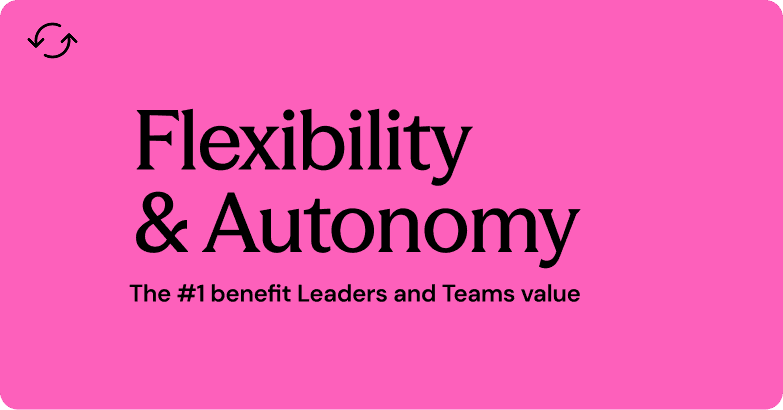
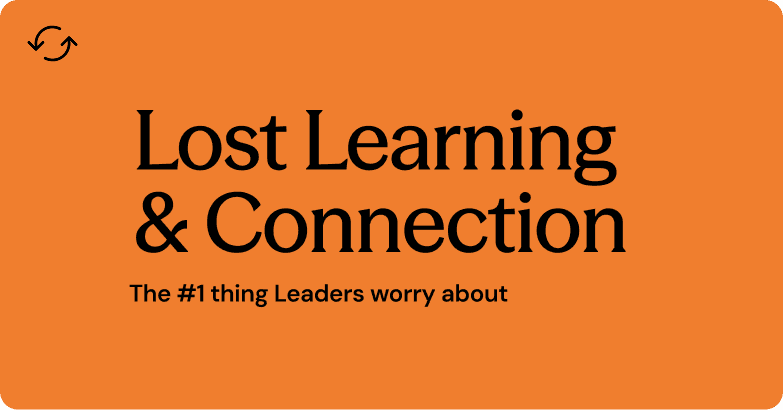
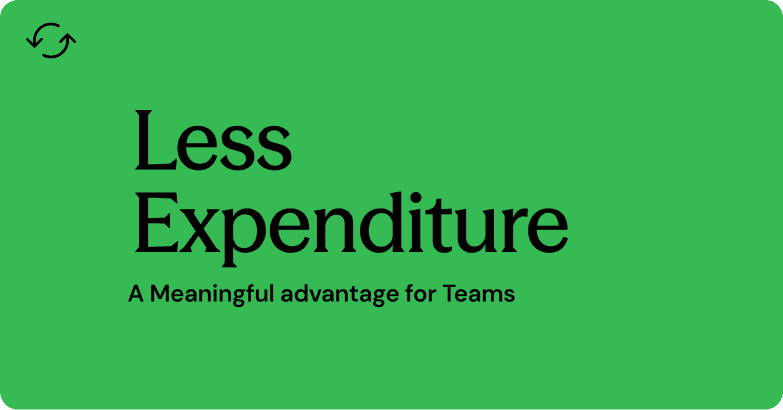
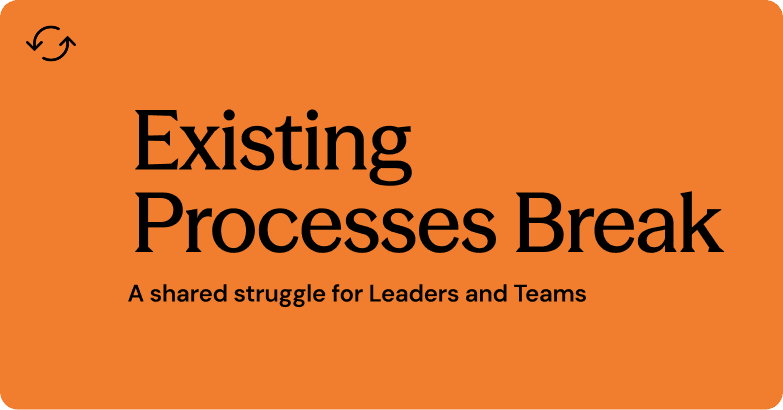
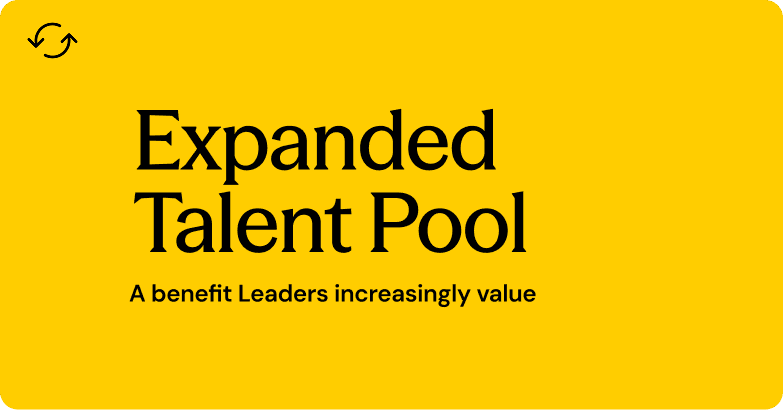
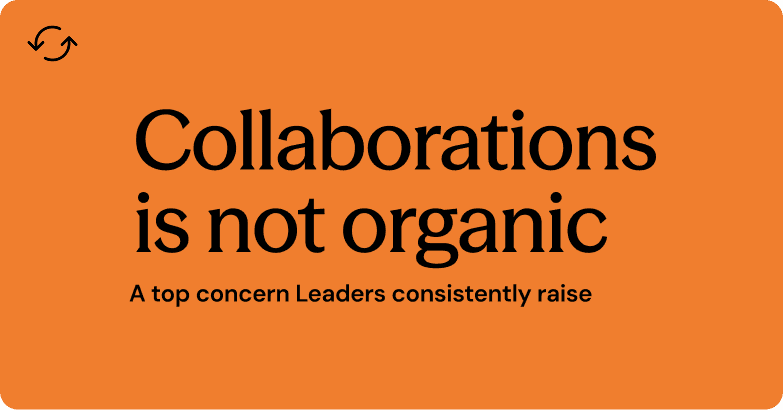
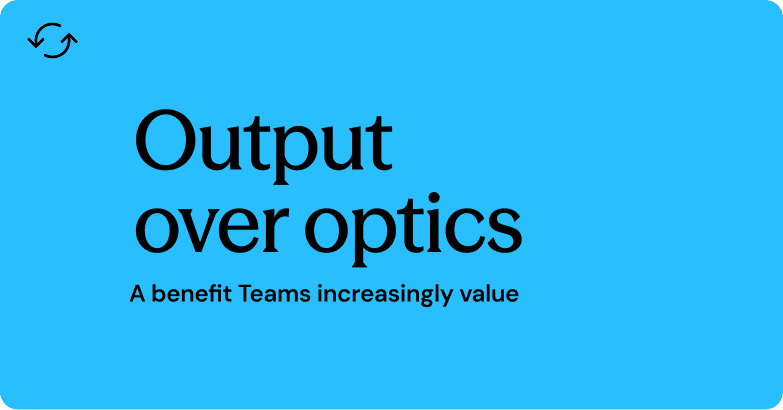
Leaders mourn what's been lost mentorship, spontaneity, creative chemistry. Teams value what's been gained autonomy, flexibility, relief from the hidden costs of office culture. Both are right.
Remote work didn't just change where we work, it changed what we value about work.
Leaders mourn what's been lost mentorship, spontaneity, creative chemistry. Teams value what's been gained autonomy, flexibility, relief from the hidden costs of office culture.
Both are right.
Remote work didn't just change where we work, it changed what we value about work.
What do Leaders have to say?
What do Leaders have to say?
Leaders mourn what's been lost mentorship, spontaneity, creative chemistry. Teams value what's been gained autonomy, flexibility, relief from the hidden costs o…
Leaders mourn what's been lost mentorship, spontaneity, creative chemistry. Teams value what's been gained autonomy, flexibility, relief from the hidden costs o…
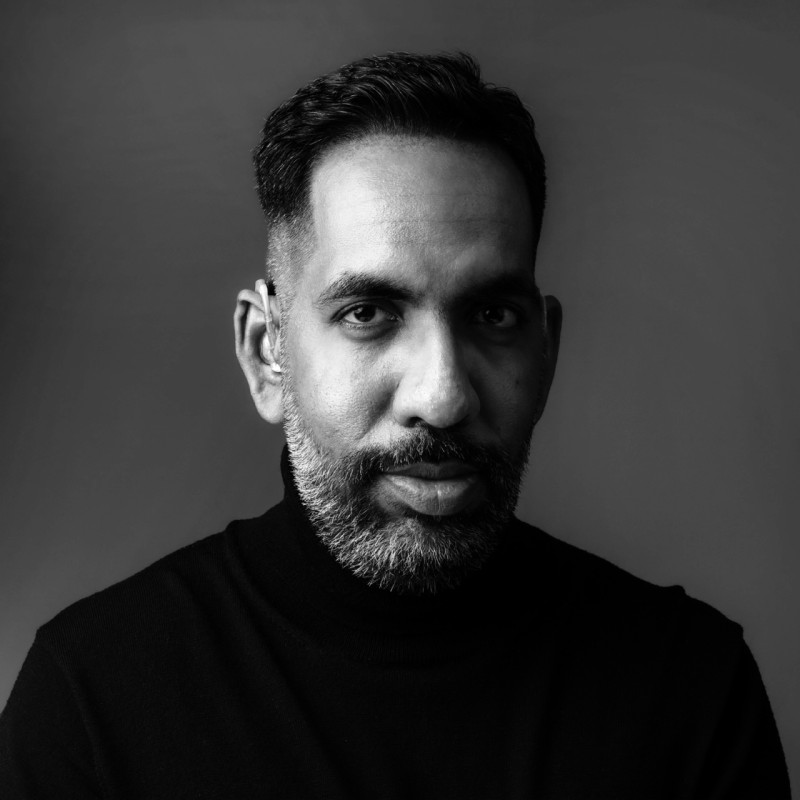
Leaders are product builders or C-suite operators; knowing which you are clarifies growth paths, org fit, fulfilment, and team-building strengths.
R Prasanna Venkatesh
Design Director
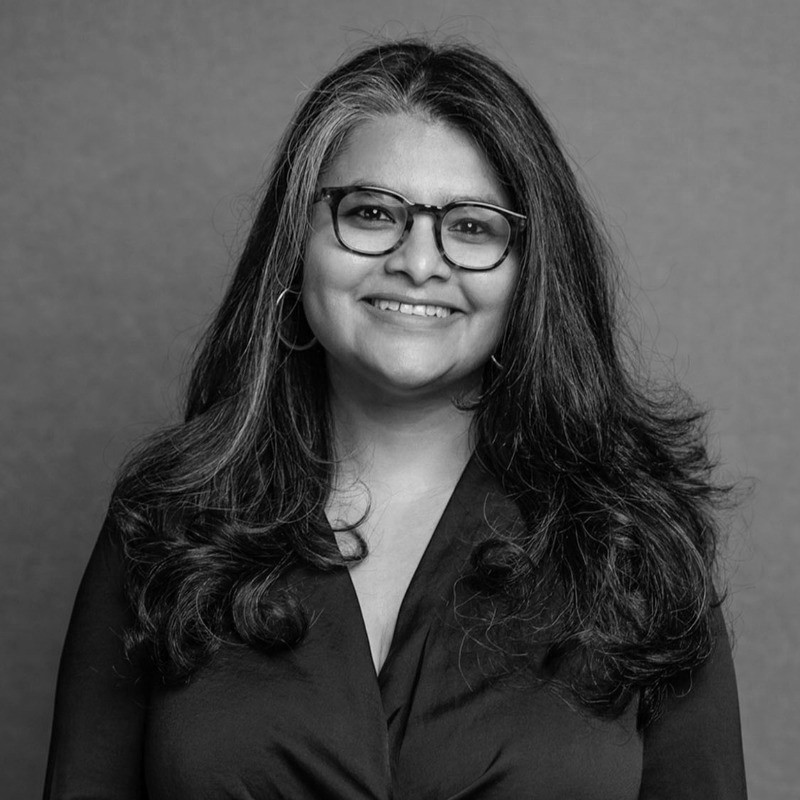
Creative leadership goes beyond vision, it’s empathy, listening, and making space for every voice so ideas, work, and culture truly thrive.
Shweta Mohare
Director, Creative
Brand Design Lab, Target
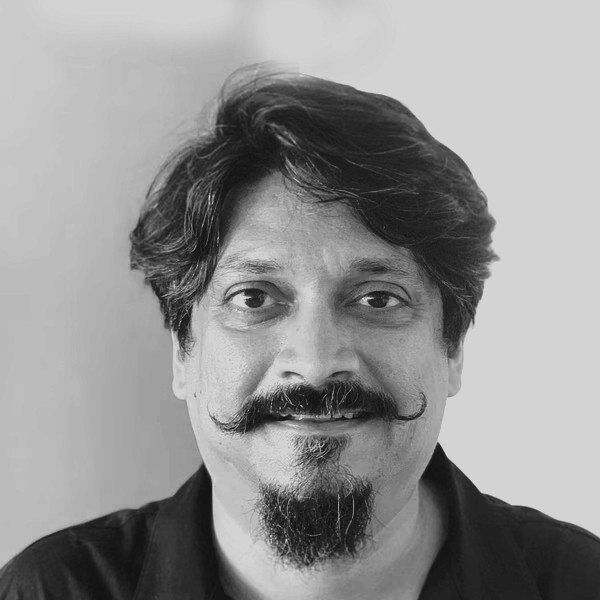
Clarity is the greatest kindness.
Best idea always wins. Merit based progress is essential to a healthy work place.
Care for the work you do and put out into the world. When you care, the audience cares.
Russel Barret
Chief Creative Officer (CCO)
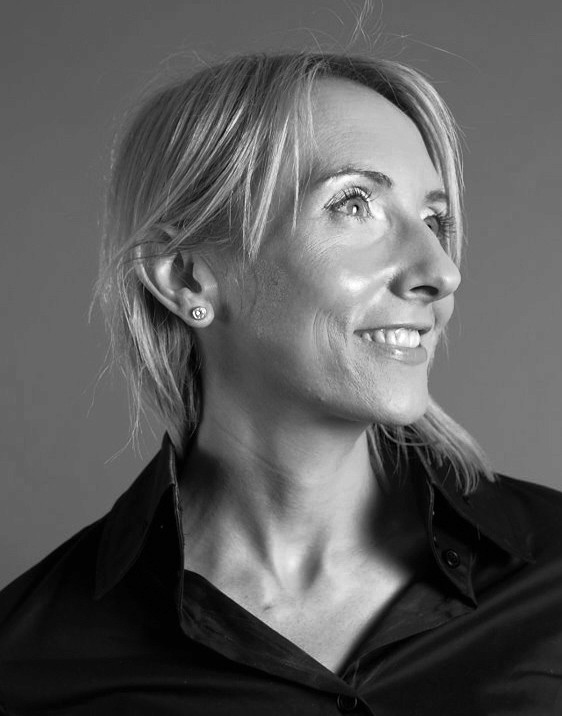
Lead by example - and never be afraid to make mistakes - we're human, and failing is the best way to move forward
Lisa Hastings
Global Creative Director,
SGK (Now Marks)
Measuring design by business metrics misses the point; empathy, care, and pride drive great design, with profit as a consequence, not the goal.
Bob Baxley
Executive Creative Director


“I’ve been a creative leader since the beginning of my career and the most fulfilling part of leadership for me is seeing people you’ve worked with go on to become successful in their own way. If people you mentored become leaders themselves, that’s real leadership.”
Kurnal Rawat
Ex-Landor, 25+ years in Design,
Independent Consultant
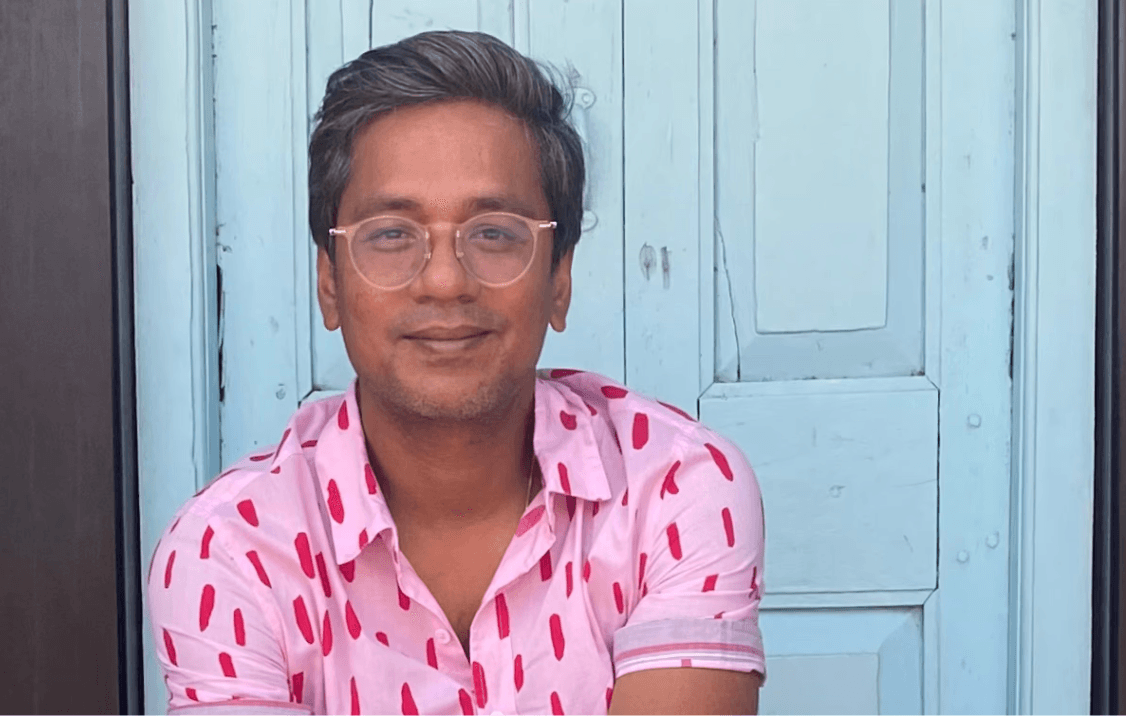
“The hardest thing to find in designers today is original thinking. With so much exposure to trends and social media, influence has become surface-level and so has thinking. When reference-hunting replaces thinking, design becomes lazy.”
Arnab Ray
Executive Creative Director
at Landor, India
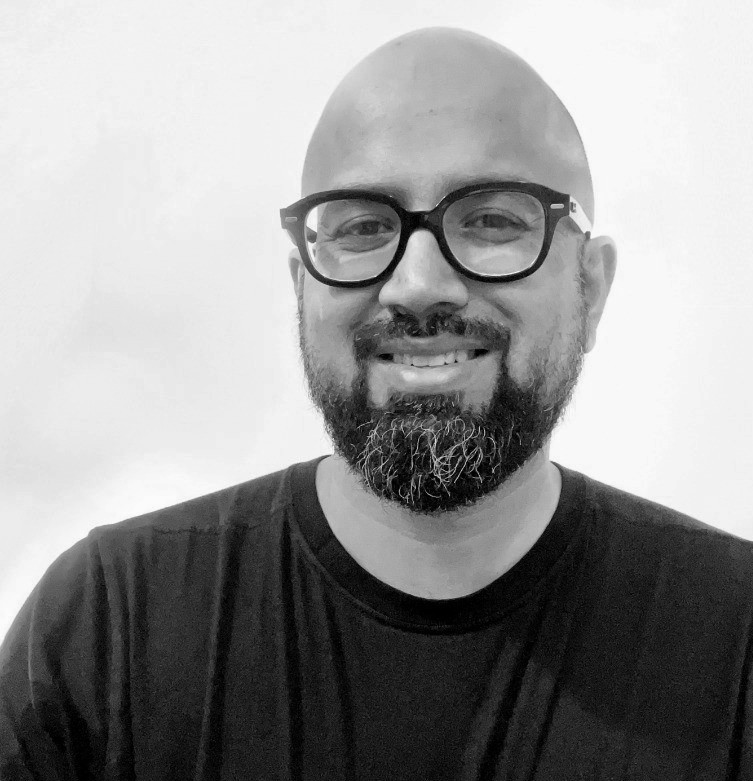
As a leader, you must leep trying no matter how many times you fail.
Meghana Ramakrishnan
Creative Director


Leaders are product builders or C-suite operators; knowing which you are clarifies growth paths, org fit, fulfilment, and team-building strengths.
R Prasanna Venkatesh
Design Director
Creative leadership goes beyond vision, it’s empathy, listening, and making space for every voice so ideas, work, and culture truly thrive.
Shweta Mohare
Director, Creative
Brand Design Lab, TargetClarity is the greatest kindness.
Best idea always wins. Merit based progress is essential to a healthy work place.
Care for the work you do and put out into the world. When you care, the audience cares.
Russel Barret
Chief Creative Officer (CCO)
Lead by example - and never be afraid to make mistakes - we're human, and failing is the best way to move forward
Lisa Hastings
Global Creative Director,
SGK (Now Marks)Measuring design by business metrics misses the point; empathy, care, and pride drive great design, with profit as a consequence, not the goal.
Bob Baxley
Executive Creative Director
“I’ve been a creative leader since the beginning of my career and the most fulfilling part of leadership for me is seeing people you’ve worked with go on to become successful in their own way. If people you mentored become leaders themselves, that’s real leadership.”
Kurnal Rawat
Ex-Landor, 25+ years in Design,
Independent Consultant“The hardest thing to find in designers today is original thinking. With so much exposure to trends and social media, influence has become surface-level and so has thinking. When reference-hunting replaces thinking, design becomes lazy.”
Arnab Ray
Executive Creative Director
at Landor, IndiaAs a leader, you must leep trying no matter how many times you fail.
Meghana Ramakrishnan
Creative Director
Leaders are product builders or C-suite operators; knowing which you are clarifies growth paths, org fit, fulfilment, and team-building strengths.
R Prasanna Venkatesh
Design Director
Creative leadership goes beyond vision, it’s empathy, listening, and making space for every voice so ideas, work, and culture truly thrive.
Shweta Mohare
Director, Creative
Brand Design Lab, TargetClarity is the greatest kindness.
Best idea always wins. Merit based progress is essential to a healthy work place.
Care for the work you do and put out into the world. When you care, the audience cares.
Russel Barret
Chief Creative Officer (CCO)
Lead by example - and never be afraid to make mistakes - we're human, and failing is the best way to move forward
Lisa Hastings
Global Creative Director,
SGK (Now Marks)Measuring design by business metrics misses the point; empathy, care, and pride drive great design, with profit as a consequence, not the goal.
Bob Baxley
Executive Creative Director
“I’ve been a creative leader since the beginning of my career and the most fulfilling part of leadership for me is seeing people you’ve worked with go on to become successful in their own way. If people you mentored become leaders themselves, that’s real leadership.”
Kurnal Rawat
Ex-Landor, 25+ years in Design,
Independent Consultant“The hardest thing to find in designers today is original thinking. With so much exposure to trends and social media, influence has become surface-level and so has thinking. When reference-hunting replaces thinking, design becomes lazy.”
Arnab Ray
Executive Creative Director
at Landor, IndiaAs a leader, you must leep trying no matter how many times you fail.
Meghana Ramakrishnan
Creative Director
Leaders are product builders or C-suite operators; knowing which you are clarifies growth paths, org fit, fulfilment, and team-building strengths.
R Prasanna Venkatesh
Design Director
Creative leadership goes beyond vision, it’s empathy, listening, and making space for every voice so ideas, work, and culture truly thrive.
Shweta Mohare
Director, Creative
Brand Design Lab, TargetClarity is the greatest kindness.
Best idea always wins. Merit based progress is essential to a healthy work place.
Care for the work you do and put out into the world. When you care, the audience cares.
Russel Barret
Chief Creative Officer (CCO)
Lead by example - and never be afraid to make mistakes - we're human, and failing is the best way to move forward
Lisa Hastings
Global Creative Director,
SGK (Now Marks)Measuring design by business metrics misses the point; empathy, care, and pride drive great design, with profit as a consequence, not the goal.
Bob Baxley
Executive Creative Director
“I’ve been a creative leader since the beginning of my career and the most fulfilling part of leadership for me is seeing people you’ve worked with go on to become successful in their own way. If people you mentored become leaders themselves, that’s real leadership.”
Kurnal Rawat
Ex-Landor, 25+ years in Design,
Independent Consultant“The hardest thing to find in designers today is original thinking. With so much exposure to trends and social media, influence has become surface-level and so has thinking. When reference-hunting replaces thinking, design becomes lazy.”
Arnab Ray
Executive Creative Director
at Landor, IndiaAs a leader, you must leep trying no matter how many times you fail.
Meghana Ramakrishnan
Creative Director
“The hardest thing to find in designers today is original thinking. With so much exposure to trends and social media, influence has become surface-level and so has thinking. When reference-hunting replaces thinking, design becomes lazy.”

Arnab Ray
Executive Creative Director
at Landor, IndiaLead by example - and never be afraid to make mistakes - we're human, and failing is the best way to move forward
Lisa Hastings
Global Creative Director,
SGK (Now Marks)“Creative leadership goes beyond vision, it’s empathy, listening, and making space for every voice so ideas, work, and culture truly thrive.”
Shweta Mohare
Director, Creative
Brand Design Lab, TargetClarity is the greatest kindness.
Best idea always wins. Merit based progress is essential to a healthy work place.
Care for the work you do and put out into the world. When you care, the audience cares.
Russel Barret
Chief Creative Officer (CCO)
“I’ve been a creative leader since the beginning of my career and the most fulfilling part of leadership for me is seeing people you’ve worked with go on to become successful in their own way. If people you mentored become leaders themselves, that’s real leadership.”
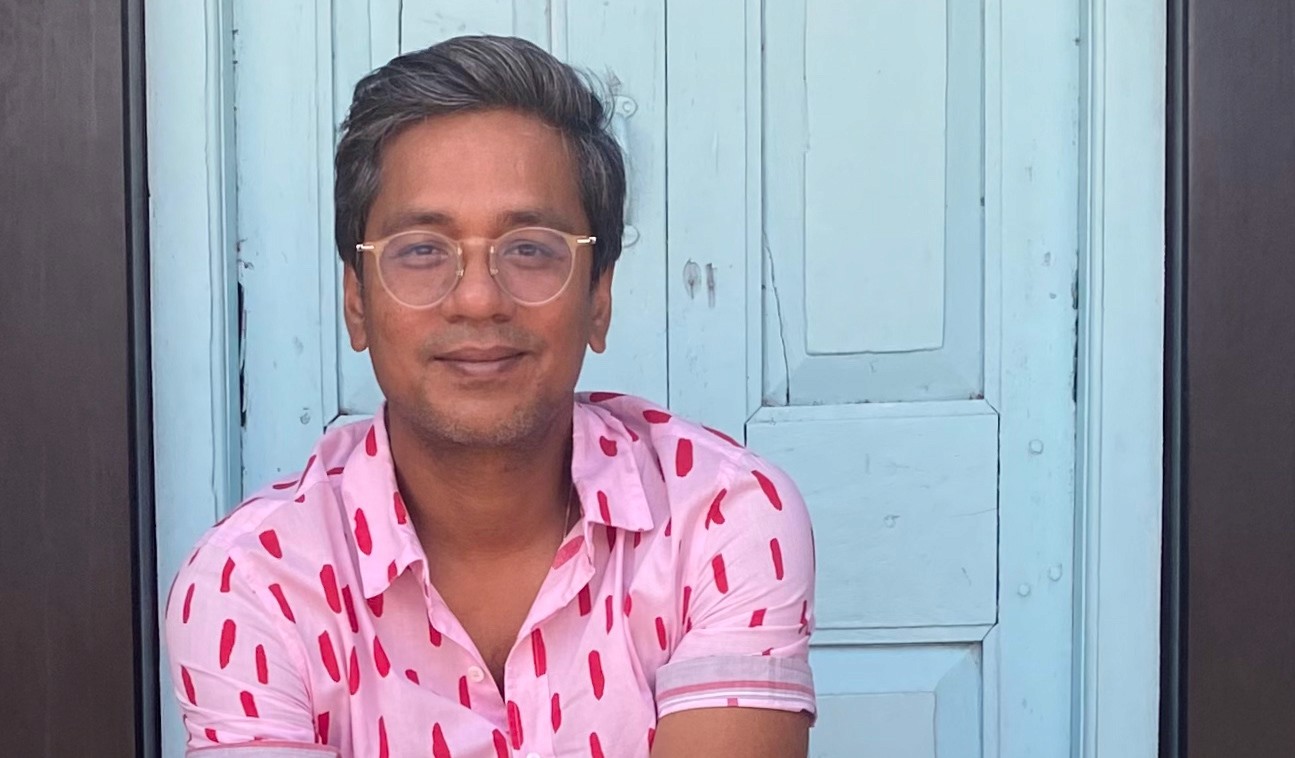
Kurnal Rawat
Ex-Landor, 25+ years in Design,
Independent ConsultantLeaders are product builders or C-suite operators; knowing which you are clarifies growth paths, org fit, fulfilment, and team-building strengths.
R Prasanna Venkatesh
Design Director
Measuring design by business metrics misses the point; empathy, care, and pride drive great design, with profit as a consequence, not the goal.
Bob Baxley
Executive Creative Director
“As a leader, you must leep trying no matter how many times you fail.”

Meghana Ramakrishnan
Creative Director and Producer,
All thing WTF, Nikhil Kamath“The hardest thing to find in designers today is original thinking. With so much exposure to trends and social media, influence has become surface-level and so has thinking. When reference-hunting replaces thinking, design becomes lazy.”
Arnab Ray
Executive Creative Director
at Landor, IndiaLead by example - and never be afraid to make mistakes - we're human, and failing is the best way to move forward
Lisa Hastings
Global Creative Director,
SGK (Now Marks)“Creative leadership goes beyond vision, it’s empathy, listening, and making space for every voice so ideas, work, and culture truly thrive.”
Shweta Mohare
Director, Creative
Brand Design Lab, TargetClarity is the greatest kindness.
Best idea always wins. Merit based progress is essential to a healthy work place.
Care for the work you do and put out into the world. When you care, the audience cares.
Russel Barret
Chief Creative Officer (CCO)
“I’ve been a creative leader since the beginning of my career and the most fulfilling part of leadership for me is seeing people you’ve worked with go on to become successful in their own way. If people you mentored become leaders themselves, that’s real leadership.”
Kurnal Rawat
Ex-Landor, 25+ years in Design,
Independent ConsultantLeaders are product builders or C-suite operators; knowing which you are clarifies growth paths, org fit, fulfilment, and team-building strengths.
R Prasanna Venkatesh
Design Director
Measuring design by business metrics misses the point; empathy, care, and pride drive great design, with profit as a consequence, not the goal.
Bob Baxley
Executive Creative Director
“As a leader, you must leep trying no matter how many times you fail.”
Meghana Ramakrishnan
Creative Director and Producer,
All thing WTF, Nikhil Kamath“The hardest thing to find in designers today is original thinking. With so much exposure to trends and social media, influence has become surface-level and so has thinking. When reference-hunting replaces thinking, design becomes lazy.”
Arnab Ray
Executive Creative Director
at Landor, IndiaLead by example - and never be afraid to make mistakes - we're human, and failing is the best way to move forward
Lisa Hastings
Global Creative Director,
SGK (Now Marks)“Creative leadership goes beyond vision, it’s empathy, listening, and making space for every voice so ideas, work, and culture truly thrive.”
Shweta Mohare
Director, Creative
Brand Design Lab, TargetClarity is the greatest kindness.
Best idea always wins. Merit based progress is essential to a healthy work place.
Care for the work you do and put out into the world. When you care, the audience cares.
Russel Barret
Chief Creative Officer (CCO)
“I’ve been a creative leader since the beginning of my career and the most fulfilling part of leadership for me is seeing people you’ve worked with go on to become successful in their own way. If people you mentored become leaders themselves, that’s real leadership.”
Kurnal Rawat
Ex-Landor, 25+ years in Design,
Independent ConsultantLeaders are product builders or C-suite operators; knowing which you are clarifies growth paths, org fit, fulfilment, and team-building strengths.
R Prasanna Venkatesh
Design Director
Measuring design by business metrics misses the point; empathy, care, and pride drive great design, with profit as a consequence, not the goal.
Bob Baxley
Executive Creative Director
“As a leader, you must leep trying no matter how many times you fail.”
Meghana Ramakrishnan
Creative Director and Producer,
All thing WTF, Nikhil Kamath“The hardest thing to find in designers today is original thinking. With so much exposure to trends and social media, influence has become surface-level and so has thinking. When reference-hunting replaces thinking, design becomes lazy.”
Arnab Ray
Executive Creative Director
at Landor, IndiaLead by example - and never be afraid to make mistakes - we're human, and failing is the best way to move forward
Lisa Hastings
Global Creative Director,
SGK (Now Marks)“Creative leadership goes beyond vision, it’s empathy, listening, and making space for every voice so ideas, work, and culture truly thrive.”
Shweta Mohare
Director, Creative
Brand Design Lab, TargetClarity is the greatest kindness.
Best idea always wins. Merit based progress is essential to a healthy work place.
Care for the work you do and put out into the world. When you care, the audience cares.
Russel Barret
Chief Creative Officer (CCO)
“I’ve been a creative leader since the beginning of my career and the most fulfilling part of leadership for me is seeing people you’ve worked with go on to become successful in their own way. If people you mentored become leaders themselves, that’s real leadership.”
Kurnal Rawat
Ex-Landor, 25+ years in Design,
Independent ConsultantLeaders are product builders or C-suite operators; knowing which you are clarifies growth paths, org fit, fulfilment, and team-building strengths.
R Prasanna Venkatesh
Design Director
Measuring design by business metrics misses the point; empathy, care, and pride drive great design, with profit as a consequence, not the goal.
Bob Baxley
Executive Creative Director
“As a leader, you must leep trying no matter how many times you fail.”
Meghana Ramakrishnan
Creative Director and Producer,
All thing WTF, Nikhil Kamath

Researched and Designed by
Apeksha Gupta
Researched and Designed by
Apeksha Gupta
With 13 years in design, Apeksha has built and led creative teams across startups and Fortune 500 companies, shaping products, campaigns, and brand systems for companies like Guesthouser, Landor, Coca-Cola, Target, Toblerone, and multiple SaaS platforms.
She stepped into leadership at 24, long before she felt “ready,” and spent the next decade learning what creative teams actually need from their leaders. After mentoring 500+ creatives and running a global community of 35,000 designers, she became obsessed with one question: What truly makes creative leadership great today?
This report is the result of that exploration.
With 13 years in design, Apeksha has built and led creative teams across startups and Fortune 500 companies, shaping products, campaigns, and brand systems for companies like Guesthouser, Landor, Coca-Cola, Target, Toblerone, and multiple SaaS platforms.
She stepped into leadership at 24, long before she felt “ready,” and spent the next decade learning what creative teams actually need from their leaders. After mentoring 500+ creatives and running a global community of 35,000 designers, she became obsessed with one question: What truly makes creative leadership great today?
This report is the result of that exploration.

© 2025 Foldr.Studio. All Rights Reserved. This report reflects anonymized, self-reported data and the author’s interpretation of emerging patterns. It is intended for insight and guidance, not as definitive or universal advice. While accuracy has been prioritized, the author assumes no responsibility for decisions made based on this content.
© 2025 Foldr.Studio. All Rights Reserved. This report reflects anonymized, self-reported data and the author’s interpretation of emerging patterns. It is intended for insight and guidance, not as definitive or universal advice. While accuracy has been prioritized, the author assumes no responsibility for decisions made based on this content.